95th AfWASA STC: meeting ended with Specialist Groups committing to concrete action
After three days of intense and constructive exchanges, the 95th Strategic and Technological Council (STC) of the African Water and Sanitation Association (AfWASA) concluded on Wednesday, July 23, 2025, in Lilongwe, Malawi. Held under the theme "Green Economy and Climate Change in Africa," this session brought together experts, professionals, and sector partners from across the continent, united by a common ambition: to strengthen the sustainability and resilience of water and sanitation services in the face of climate change.
The final day was dedicated to continuing the group work, the plenary feedback session, and a technical field visit.
Regarding the group work, note that each Specialist Group was tasked with setting its objectives, electing an interim bureau, proposing an action plan to be implemented by the next STC scheduled in Yaoundé, and initiating the first concrete steps. These sessions, primarily focused on restructuring and planning, resulted in clear and shared roadmaps.
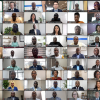
During the plenary restitution session, the groups presented their outcomes detailing their goals, action plans, and designated leads for implementation.
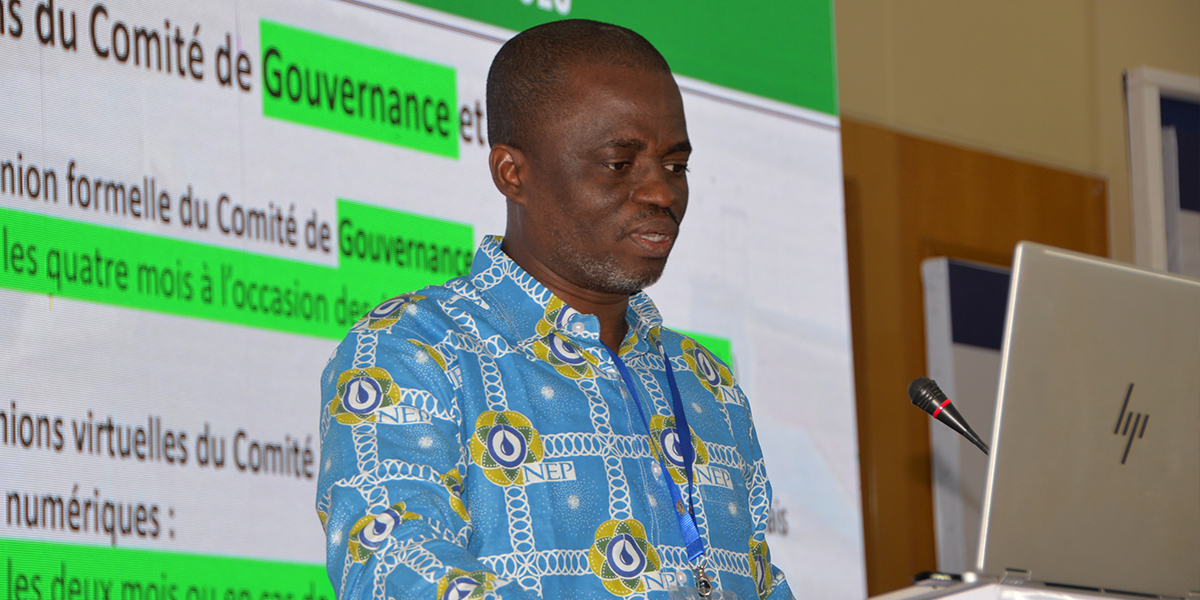
Ms. Géraldine Mpouma-Logmo, Vice-Chair of the STC and moderator of the session, praised the quality of discussions and the richness of the proposals shared. She encouraged participants to maintain the momentum to turn these roadmaps into tangible results on the ground.
According to participants, this session stood out for the quality of the group work and the clarity of direction established. They particularly appreciated the participatory approach and the constructive atmosphere, which helped lay the groundwork for more effective technical collaboration. Committed and motivated, members agreed on the need to sustain the momentum by continuing virtual meetings and collaborative efforts, ensuring that the groups remain active between STC sessions.
The official closing was followed by a technical field visit to Lilongwe’s drinking water production plants and wastewater treatment facilities, offering participants a firsthand look at Malawi’s efforts to improve infrastructure and sustainably manage its water resources.